
Asphalt Parking Lots for Cars and Delivery Trucks in Florida
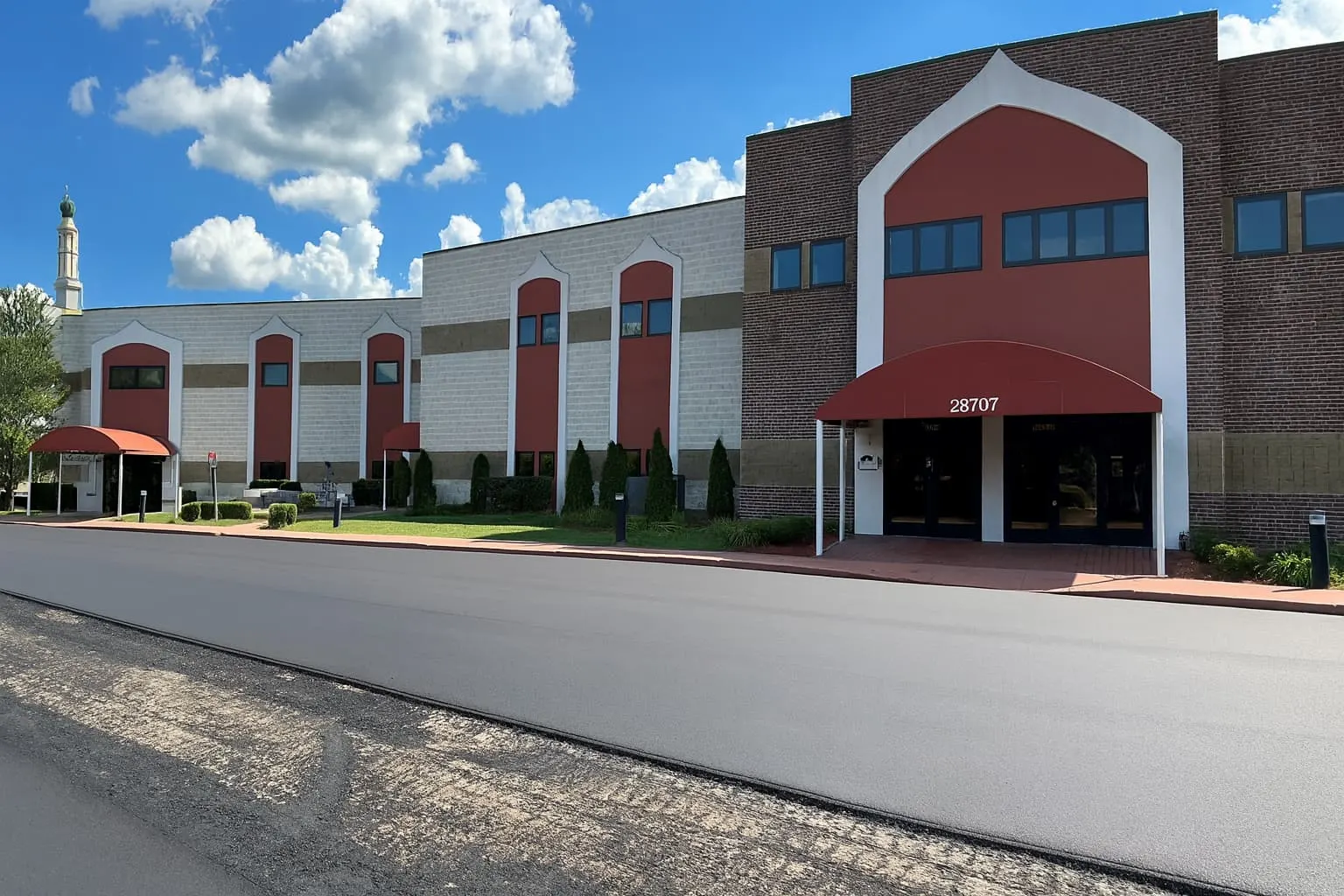
An asphalt parking lot for delivery trucks needs to be planned around heavier, repeated loads, not just the same layout you would use for passenger cars. The main differences are the strength of the base (the compacted supporting layer under the asphalt), how the lot is routed, and how water leaves the surface. For property owners in Brandon and across Florida, the right plan starts with an honest count of which vehicles use the lot and where they go.
How cars and delivery trucks load asphalt differently
A lot used mostly by passenger cars sees light, spread-out loads. Cars can use marked stalls and distribute lighter loads across a lot. A loaded delivery truck is a different story. It can place heavier loads on the pavement, especially with repeated visits.
How the truck moves can also affect pavement stress. Braking pushes on the surface, tight turns twist it, and a truck that sits in one place while it unloads presses on the same patch for a long stretch. In warm weather, asphalt softens a little, so standing and turning loads are where ruts and shoving tend to show up first.
That is why the base matters. If the base under the asphalt is not compacted and deep enough for the traffic above it, the surface can crack or sink even when the asphalt itself was laid well. A car lot and a truck lot can look the same on top and be built very differently underneath.
| Factor | Mostly passenger cars | Regular delivery trucks |
|---|---|---|
| Load on the surface | Light and spread out | Heavy and repeated |
| Base demands | Moderate support | Stronger, well compacted support |
| Stress points | Entrances and stalls | Entrances, turns, loading areas, standing spots |
| Possible wear patterns | Gradual aging | Localized ruts, edge breakup, cracking |
Where truck traffic puts extra demand on a lot
Truck wear can be uneven, with damage potentially concentrated along truck routes. Look at four places first:
- Entrances and exits. Trucks swing wide and slow down here, so the surface takes braking and turning at once.
- Tight turns. Tight turns can cause tires to scrub against the asphalt.
- Loading and unloading areas. Trucks stand still here, sometimes with the weight of a full load.
- Service routes. The path from the street to the dock can receive repeated truck traffic.
Frequency counts too. A truck that stops once a week is not the same as a route with several deliveries every morning. When you talk to a contractor, ask that the plan account for those high-use areas by name, rather than treating the lot as one uniform surface. For a full build or rebuild, consider how the lot is actually used when discussing asphalt parking lot paving or commercial asphalt paving.
Florida weather and parking lot planning
Florida heat and humidity often persist into October, and rain that month can shift a paving schedule. Summer storms usually build through the afternoon from June into September, so lots that hold water have often been tested by the time fall work is planned. Paving needs dry conditions, so a good schedule leaves room for weather days.
Standing water is worth paying attention to. Puddles that stay after the rain stops can point to a drainage or surface problem, and water that sits on asphalt can work its way into cracks and soften the base below. Raise it before paving, not after, because a new surface laid over a low spot will usually hold water in the same place.
Conditions vary from property to property. Some lots need only a fresh surface over a sound base. Others have a base that has failed in the truck lanes. Looking at the existing surface and base is the honest way to tell the difference, and it is where asphalt resurfacing can fit when the base underneath is still in good shape. If you are not sure how your lot is holding up, our guide on how to maintain asphalt pavement covers what to watch for between projects.
If you manage a lot near Apollo Beach, Bloomingdale or Gibsonton, the same questions apply: what drives on it, where water goes, and what shape the base is in. If your lot sits low or drains toward a single corner, mention it. If it sees trucks only on certain days, say that too.
What to share before requesting a paving plan
What you tell a contractor can help inform the plan. A few details make the conversation much more useful:
- List the kinds of vehicles that use the lot, from passenger cars to box trucks and larger delivery vehicles.
- Note how often they arrive and at what times of day.
- Mark the truck routes, turning areas and spots where trucks stop to unload.
- Point out every place where water collects after rain.
- Mention any cracking, ruts or sunken areas you already see.
Then ask the contractor to review those details and explain the proposed scope in plain terms: what gets repaired, what gets resurfaced, and what gets rebuilt. You should be able to see why each area is treated the way it is.
We offer a free estimate. Send us your vehicle list and a sketch of your truck routes when requesting an estimate.
Common questions
Can an asphalt parking lot handle heavy vehicle traffic?
Yes, when the base and asphalt are designed for it. The base is usually the deciding factor, so heavy traffic lanes often need stronger support than a car-only lot.
Do delivery truck lots need different paving than regular parking lots?
Often they do, at least in the high-use areas. Entrances, turns and loading spots take more stress, so the plan may treat those zones differently from the stalls.
Should I fix drainage before paving a lot for delivery vehicles?
If water stands on the lot after rain, discuss it before any paving starts. Paving over a low spot without addressing it usually leaves the same problem in a new surface.
Areas we serve
Our services
Have a question about your project? Call (855) 432-7302